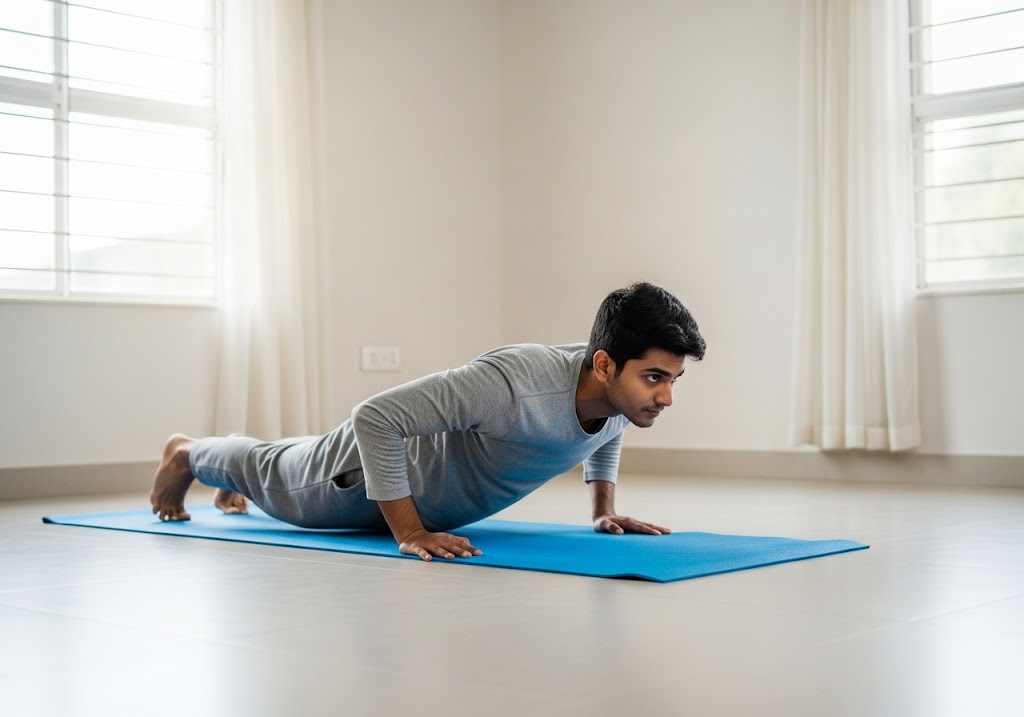
How to increase deadlift strength requires focus on progressive overload, perfect technique, strengthened grip and posterior chain muscles, plus structured programming with adequate recovery.
Building exceptional deadlift strength represents one of the most rewarding challenges in strength training. Learning how to increase deadlift strength effectively requires understanding multiple training variables including technique refinement, muscle strengthening, and systematic programming approaches. The deadlift engages nearly every muscle in your body, making it both challenging and incredibly effective for overall strength development.
Many lifters struggle with plateaus when trying to increase deadlift strength because they focus solely on lifting heavier weights without addressing fundamental weaknesses. The most successful approach to how to increase deadlift strength involves identifying limiting factors such as grip strength, posterior chain weakness, or technical flaws, then systematically addressing each area through targeted training methods. Mastering how to increase deadlift strength delivers benefits far beyond impressive numbers on the bar. This lift builds functional strength for daily activities, develops mental toughness through challenging training sessions, and creates a solid foundation for athletic performance. Whether you’re competing in powerlifting or simply wanting to build impressive strength, understanding proven methods for how to increase deadlift strength will transform your training results and unlock your true potential.
Table of Contents
What is Deadlift Strength Training?
Deadlift strength training involves systematic approaches to building maximal pulling power through progressive overload, technique refinement, and targeted accessory work. Understanding how to increase deadlift strength requires mastering multiple training components working together to create sustainable strength gains over time.
| Training Component | Purpose | Key Methods | Expected Timeline |
|---|---|---|---|
| Technique Mastery | Perfect movement patterns | Video analysis, coaching cues | 4-8 weeks |
| Progressive Overload | Increase load systematically | Linear progression, periodization | 8-16 weeks |
| Grip Strengthening | Improve bar holding capacity | Farmer’s walks, static holds | 6-12 weeks |
| Accessory Training | Address weak points | Romanian deadlifts, rows | 8-20 weeks |
| Recovery Optimization | Support adaptation | Sleep, nutrition, mobility | Ongoing |
Try chest and tricep workout with dumbbells
The foundation of how to increase deadlift strength lies in understanding that deadlifting is both a skill and a strength exercise. Technical proficiency must develop alongside muscular strength to achieve optimal results. This dual focus separates successful deadlifters from those who plateau early in their training journey. Effective deadlift strength training addresses the entire kinetic chain from grip strength through core stability to hip drive mechanics. Each component contributes to your ability to increase deadlift strength, making comprehensive programming essential rather than simply loading more weight onto the bar without addressing underlying limitations.
Discover resistance band exercises for abs
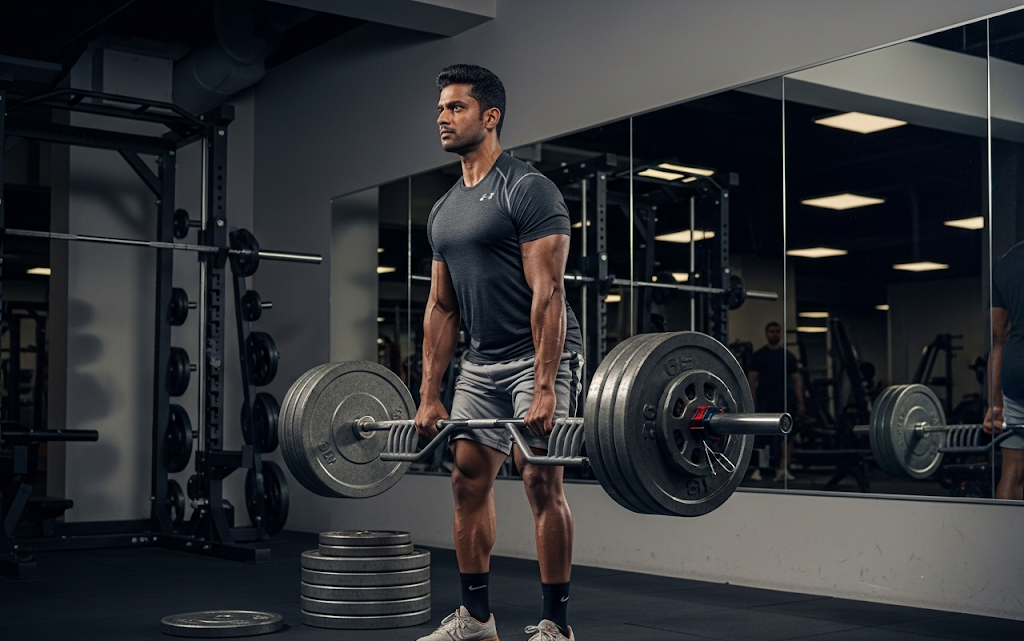
How to Increase Deadlift Strength? – Essential Methods
The most effective approach to how to increase deadlift strength combines progressive overload with technical refinement and targeted weak point training. Research shows that deadlift strength responds best to training frequencies of 2-3 times per week, allowing sufficient stimulus while providing adequate recovery.
| Method | Description | Implementation | Expected Results |
|---|---|---|---|
| Progressive Overload | Gradually increase weight over time | Add 2.5-5kg weekly for beginners | 15-30kg strength gains in 12 weeks |
| Technique Refinement | Perfect setup and movement patterns | Video analysis, coaching feedback | 10-20kg improvement through efficiency |
| Frequency Manipulation | Vary training sessions per week | 2-3 deadlift sessions weekly | Improved skill acquisition and strength |
| Load Variation | Mix heavy, moderate, light sessions | 70%, 85%, 95% intensity rotation | Reduced fatigue, consistent progress |
| Weak Point Training | Target specific strength limitations | Accessory exercises, pause work | 5-15kg breakthrough past plateaus |
| Recovery Optimization | Maximize adaptation between sessions | Sleep, nutrition, stress management | Enhanced training capacity |
Successful methods for how to increase deadlift strength include varying training loads throughout the week, with one heavy session focused on maximal strength development, one moderate session emphasizing technique refinement, and one lighter session targeting speed and explosiveness. This approach ensures comprehensive development while preventing overuse injuries that commonly plague deadlift training. The key to sustainable progress in how to increase deadlift strength involves identifying and systematically addressing individual limiting factors. Some lifters struggle with initial bar breakage from the floor, requiring focused quad and core strengthening, while others fail at lockout, necessitating glute and hamstring development through targeted accessory exercises.
Learn about how to lift heavier weights for additional strength building principles.
How to Increase Grip Strength for Deadlift?
Grip strength often becomes the limiting factor when learning how to increase deadlift strength, as many lifters can generate sufficient force through their legs and back but cannot maintain bar contact throughout the lift. Addressing grip limitations requires specific training approaches beyond simply deadlifting more frequently.
Building grip strength for deadlifts requires targeted training that challenges your hands and forearms in ways that translate directly to deadlift performance:
- Farmer’s Walks – Carry heavy dumbbells or kettlebells for 30-60 seconds, using 75-100% of your deadlift weight split between hands
- Dead Hangs – Hang from a pull-up bar for maximum time, progressing from 30 seconds to 2+ minutes with bodyweight
- Barbell Holds – Lift heavy weight from rack and hold for time, using 105-120% of your current deadlift max
- Plate Pinches – Hold heavy plates between thumb and fingers, starting with 20kg plates and progressing heavier
- Fat Grip Training – Use thick bar attachments during rows and carries to challenge grip in new ways
- Mixed Grip Practice – Train both overhand and mixed grip positions during deadlift training sessions
- Hook Grip Development – Practice thumb-under-finger grip technique with lighter weights before progressing
- Static Holds at Top – Complete deadlift reps with 3-5 second holds at lockout position
- Reverse Barbell Curls – Build forearm strength with 15-20 kg for higher repetitions
- Wrist Roller Exercises – Use rope and weight plate to build forearm endurance and strength
Discover 500 skipping burns how many calories for cardio that complements strength training.
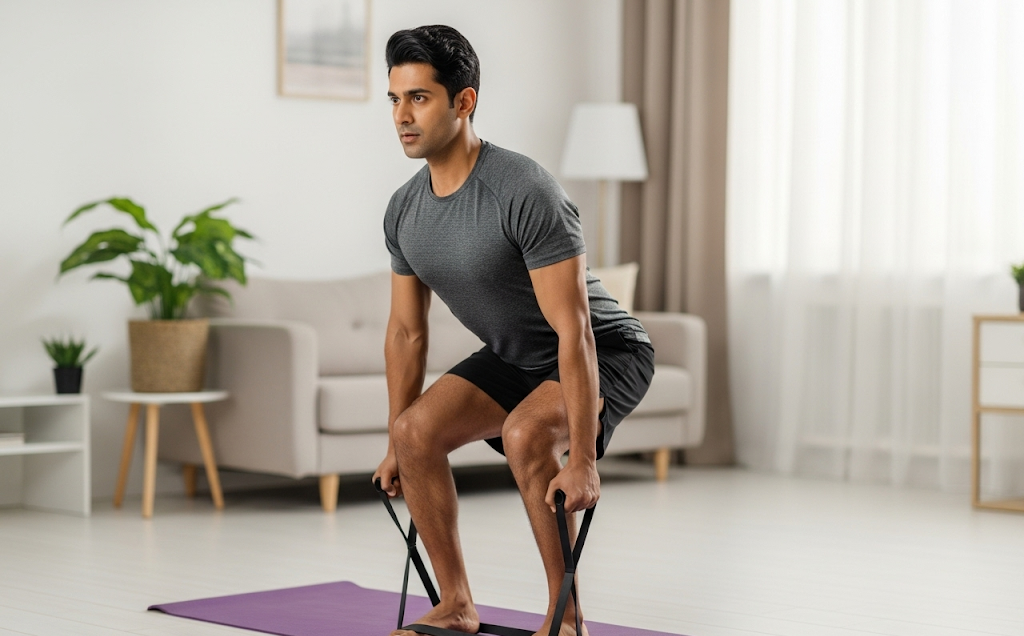
How to Increase Deadlift Strength for Powerlifting?
Competition-focused approaches to how to increase deadlift strength for powerlifting require specific programming that peaks strength while maintaining technique under maximum loads. Powerlifting deadlift training differs from general strength training through its emphasis on meet performance rather than overall fitness development.
| Training Phase | Duration | Focus | Load Range | Volume |
|---|---|---|---|---|
| Base Building | 8-12 weeks | Technique, volume | 60-80% 1RM | 20-30 reps/week |
| Strength Phase | 6-8 weeks | Heavy singles, doubles | 85-95% 1RM | 10-15 reps/week |
| Peaking Phase | 3-4 weeks | Opener, second, third attempts | 90-105% 1RM | 5-10 reps/week |
| Competition | 1 week | Attempt selection | 100-110% 1RM | 3-9 attempts |
| Deload/Recovery | 2-3 weeks | Active recovery | 50-70% 1RM | 10-15 reps/week |
Explore bodybuilding exercises at home
Competition Preparation Strategies
Powerlifting competition preparation requires strategic attempt selection and mental preparation alongside physical readiness. Your ability to increase deadlift strength translates to meet success through confident opener selection, realistic second attempts, and aggressive third attempt planning based on training performance indicators.
Find out how many jumping jacks to burn 500 calories
Advanced Programming Methods
Advanced powerlifters utilize complex programming methods including conjugate training, block periodization, and autoregulation techniques. These approaches to how to increase deadlift strength account for individual recovery patterns, training history, and competitive goals while maintaining long-term progress through sophisticated load management strategies.
Explore calisthenics vs weightlifting to understand different training approaches.
How to Increase Strength on Stiff Legged Deadlift?
The stiff-legged deadlift variation requires specific approaches to how to increase strength due to its emphasis on hamstring and lower back musculature rather than quad involvement. This movement pattern demands greater flexibility and posterior chain strength compared to conventional deadlifts.
- Master Hip Hinge Pattern – Focus on pushing hips back while maintaining minimal knee bend throughout the movement range
- Develop Hamstring Flexibility – Improve range of motion through daily stretching and mobility work before pursuing heavy loads
- Strengthen Lower Back – Build spinal erector strength through good mornings and back extensions with progressive resistance
- Control Descent Speed – Lower the bar slowly over 3-4 seconds to maximize eccentric strength development and muscle growth
- Maintain Chest Position – Keep chest up and shoulders back to prevent rounding and maintain optimal spine alignment
- Progress Load Gradually – Increase weight by 2.5-5kg weekly while maintaining full range of motion and perfect form
- Focus on Muscle Connection – Concentrate on feeling the stretch and contraction in hamstrings rather than just moving weight
- Use Appropriate Footwear – Train barefoot or in flat shoes to improve stability and ground connection during lifts
- Practice Breathing Patterns – Breathe at the top, hold breath during descent, exhale during ascent for core stability
- Monitor Recovery Needs – Allow extra recovery time as stiff-legged deadlifts create significant hamstring and lower back fatigue
Understanding hack squat vs leg press helps optimize leg training for deadlift support.
How to Increase Deadlift Weight?
Increasing deadlift weight requires systematic approach focusing on proper technique, progressive overload, and adequate recovery. Consistency with form perfection takes priority over rushing weight increases. Smart programming, accessory work, and patience create sustainable strength gains while minimizing injury risk. Always prioritize safety and gradual progression over rapid weight increases that compromise form.
Key Strategies for Deadlift Weight Progression
- Perfect Your Technique First: Master proper form with lighter weights before attempting to increase load, as technique breaks down under heavier weights
- Use Progressive Overload: Add 2.5-5 pounds per week for beginners, 1-2.5 pounds for intermediate lifters to ensure steady, sustainable progress
- Strengthen Weak Points: Identify limiting factors (grip, lockout, off-floor) and target them with specific accessory exercises
- Improve Hip Hinge Pattern: Practice Romanian deadlifts and good mornings to enhance the fundamental movement pattern
- Build Posterior Chain Strength: Strengthen glutes, hamstrings, and lower back through targeted exercises like hip thrusts and back extensions
- Enhance Grip Strength: Use farmer’s walks, dead hangs, and grip-specific training to prevent grip from limiting deadlift progress
- Focus on Recovery: Allow 48-72 hours between heavy deadlift sessions for proper muscle recovery and adaptation
- Use Proper Programming: Follow structured programs rather than randomly adding weight to ensure systematic progression
- Maintain Mobility: Regular stretching and mobility work for hips, ankles, and thoracic spine supports better positioning
- Track Your Progress: Keep detailed logs of weights, sets, reps, and technique notes to identify patterns and plan progression
Compare jackknife sit up vs v up for ab definition.
10 Tips for How to Increase Deadlift Strength
Building deadlift strength requires comprehensive approach addressing technique, programming, recovery, and mental preparation. These evidence-based strategies help lifters break through plateaus while maintaining safety and long-term joint health. Consistent application of these principles creates sustainable strength gains that last throughout your lifting career rather than quick fixes.
1. Master the Hip Hinge Movement Pattern
The hip hinge forms the foundation of deadlift strength, requiring proper coordination between hip and knee flexion while maintaining spinal neutrality. This movement pattern must become automatic before attempting heavy loads, as poor hip hinge mechanics limit strength potential and increase injury risk. Practice bodyweight hip hinges, Romanian deadlifts, and kettlebell swings to ingrain this essential pattern before progressing to heavier conventional deadlifts.
2. Strengthen Your Posterior Chain Comprehensively
Deadlift strength depends heavily on posterior chain muscles including glutes, hamstrings, erector spinae, and upper back musculature working in coordination. Weak links in this chain limit overall deadlift performance and create compensation patterns that reduce efficiency. Include hip thrusts, Romanian deadlifts, good mornings, and back extensions in your training to build comprehensive posterior chain strength and power.
3. Develop Unbreakable Grip Strength
Grip strength often becomes the limiting factor in deadlift progression, preventing lifters from handling weights their legs and back can actually move. Strong grip allows you to focus entirely on the lift rather than worrying about the bar slipping. Include farmer’s walks, dead hangs, plate pinches, and grip-specific training while learning proper hook grip or mixed grip techniques for maximum holding power.
4. Perfect Your Setup and Starting Position
Consistent setup creates reproducible technique and optimal force production throughout the deadlift movement. Poor starting position wastes energy and creates inefficient bar paths that limit strength expression. Practice the same setup ritual every time: proper foot positioning, bar distance from shins, hip and knee angles, and upper back tension to create a strong foundation for heavy lifting.
5. Focus on Consistent Progressive Overload
Systematic progression prevents plateaus while allowing adequate time for strength adaptations to occur naturally. Rushing progression leads to form breakdown and increased injury risk without delivering better results. Add small increments consistently (2.5-5 lbs per week for beginners) rather than large jumps, and use periodization to manage training stress and promote continued adaptation over time.
6. Incorporate Strategic Accessory Exercises
Targeted accessory work addresses weak points and imbalances that limit deadlift strength while providing additional training volume without excessive fatigue. Smart accessory selection based on individual needs creates well-rounded strength and prevents compensation patterns. Include deficit deadlifts for off-floor strength, rack pulls for lockout power, and unilateral work for balance and stability improvements.
7. Prioritize Recovery and Sleep Quality
Strength gains occur during recovery periods when the body adapts to training stress through protein synthesis and neural adaptations. Inadequate recovery limits progress regardless of training quality and increases injury risk through accumulated fatigue. Aim for 7-9 hours of quality sleep, proper nutrition with adequate protein, and allow 48-72 hours between heavy deadlift sessions for optimal recovery and adaptation.
8. Use Proper Breathing and Bracing Techniques
Intra-abdominal pressure created through proper breathing and bracing provides spinal stability and force transfer during heavy deadlifts. Poor bracing reduces strength output and increases injury risk by allowing spinal movement under load. Learn diaphragmatic breathing, practice bracing techniques with lighter weights, and maintain pressure throughout the entire lift for maximum safety and performance.
9. Address Mobility and Movement Quality
Adequate mobility in hips, ankles, and thoracic spine allows optimal positioning and full range of motion during deadlifts. Mobility restrictions force compensation patterns that reduce efficiency and increase injury risk over time. Include daily mobility work focusing on hip flexion, ankle dorsiflexion, and thoracic extension while addressing any individual limitations that affect your deadlift positioning and movement quality.
10. Develop Mental Preparation and Confidence
Deadlifting heavy weights requires mental preparation, confidence, and the ability to generate maximum effort when needed. Mental barriers often limit strength expression more than physical capabilities, especially as weights approach personal records. Practice visualization techniques, develop pre-lift routines that build confidence, and gradually expose yourself to heavier weights to build mental familiarity with challenging loads.
Find out which cardio exercise burns the most calories.
5 Steps on How To Do Deadlift
Learning proper deadlift technique requires systematic progression through fundamental movement patterns and setup positions. These five essential steps ensure safe, effective deadlift execution while building strength foundation for long-term progress. Master each step thoroughly before advancing to prevent injury and maximize lifting potential throughout your training career.
Deadlift Technique Steps Overview
| Sr.No. | Step | Key Focus | Common Errors | Safety Priority |
|---|---|---|---|---|
| 1 | Setup and Bar Position | Proper stance and bar placement | Bar too far from shins | Foundation stability |
| 2 | Hip Hinge and Grip | Correct hip movement and hand position | Squatting instead of hinging | Spinal alignment |
| 3 | Create Tension and Brace | Full-body tightness and stability | Loose setup position | Core protection |
| 4 | Lift and Drive | Powerful leg drive and hip extension | Bar drifting away from body | Efficient movement |
| 5 | Lockout and Lower | Complete extension and controlled descent | Incomplete lockout | Controlled completion |
1. Setup and Bar Position
Proper setup creates the foundation for safe, effective deadlifting by establishing optimal body position relative to the barbell. Correct setup ensures efficient force transfer while minimizing stress on the spine and other joints throughout the movement. The relationship between your feet, shins, and the barbell determines lifting efficiency and safety, making this step crucial for both beginners and advanced lifters seeking to maximize their deadlift potential.
How to Setup and Position the Bar?
- Stand with feet hip-width apart, toes slightly pointed outward, with bar over mid-foot (not toes)
- Position bar approximately 1-2 inches from shins, ensuring it stays close to legs throughout setup
- Maintain neutral spine and engage core muscles before reaching down to grip the bar
2. Hip Hinge and Grip
The hip hinge movement pattern forms the cornerstone of deadlift technique, requiring coordinated movement between hips and knees while maintaining spinal neutrality. Proper grip ensures secure bar control while allowing focus on the lifting movement rather than worrying about bar security. This step teaches the fundamental movement pattern that translates to improved performance in daily activities and other athletic movements.
How to Hip Hinge and Grip?
- Push hips back while maintaining slight knee bend, reaching down to grip bar with arms straight
- Use either double overhand, mixed grip, or hook grip based on comfort and grip strength
- Keep chest up and shoulders back, maintaining natural arch in lower back throughout movement
3. Create Tension and Brace
Full-body tension and proper bracing create stability and force transfer throughout the deadlift movement while protecting the spine under heavy loads. This step transforms your body into a solid, connected unit capable of handling significant weight safely. Tension generation and bracing techniques separate successful lifters from those prone to injury and inefficient movement patterns throughout their training.
How to Create Tension and Brace?
- Take deep breath and hold it while tightening core muscles as if preparing for someone to punch your stomach
- Pull shoulder blades back and down while maintaining grip on bar, creating upper back tension
- Engage lats by pulling bar slightly toward you, eliminating any slack between body and barbell
4. Lift and Drive
The lifting phase requires powerful leg drive combined with hip extension to move the barbell efficiently from floor to standing position. Proper execution maintains bar path close to the body while generating maximum force through the entire kinetic chain. This phase determines lifting success and requires coordination between lower body power generation and upper body stability maintenance throughout the movement.
How to Lift and Drive?
- Drive through heels and push floor away while simultaneously extending hips and knees
- Keep bar close to legs throughout lift, allowing it to travel in straight vertical path
- Maintain chest position and avoid letting shoulders drift forward ahead of the bar during ascent
5. Lockout and Lower
Complete lockout demonstrates full strength expression while controlled lowering protects joints and maintains lifting technique. Proper lockout position ensures maximum muscle activation and strength development while safe lowering prevents injury during the eccentric phase. This final step completes the movement cycle and prepares for subsequent repetitions or safe bar return to the floor.
How to Lockout and Lower?
- Stand tall with shoulders back, hips fully extended, and knees locked out at the top position
- Lower bar with control by pushing hips back first, then bending knees as bar passes knee level
- Maintain the same bar path on the way down, keeping weight close to body throughout descent
Discover how to get a six pack quick with effective calisthenics.
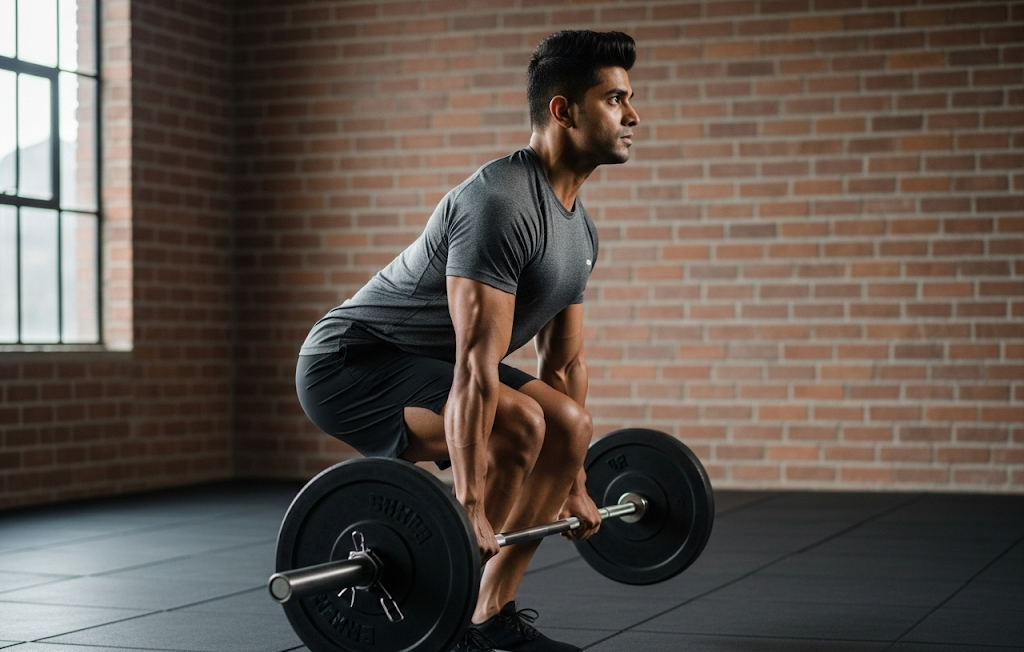
Accessory Exercises for Deadlift Strength
Strategic accessory exercise selection plays a crucial role in how to increase deadlift strength by addressing specific weak points and muscle imbalances. These supplementary movements target areas that limit deadlift performance while building overall strength foundation that supports main lift progress. Understanding how to increase deadlift strength through accessory work requires matching exercises to individual weaknesses. Building comprehensive deadlift strength requires accessory exercises that target the entire posterior chain and supporting musculature. Each exercise in your arsenal for how to increase deadlift strength should serve a specific purpose in addressing limitations or building foundational strength:
- Romanian Deadlifts – Develop hamstring and glute strength through hip hinge pattern with 70-85% deadlift weight
- Rack Pulls – Build lockout strength and confidence with supra-maximal loads using 105-130% deadlift weight
- Pendlay Rows – Strengthen lats and rhomboids for better bar control using 60-75% deadlift weight
- Good Mornings – Improve spinal erector strength and hip hinge mobility with 40-60% squat weight
- Deficit Deadlifts – Increase range of motion and off-floor strength standing on 5-10cm platform
- Paused Deadlifts – Build strength at sticking points with 1-3 second pauses at knee level
- Single-Leg RDLs – Address imbalances and improve stability with moderate dumbbell weights
- Hip Thrusts – Maximize glute activation and lockout power with heavy resistance band or barbell
- Shrugs – Build trap strength for better bar control using 90-120% deadlift weight
- Core Stabilization – Strengthen abs and obliques through planks, dead bugs, and Pallof presses
Learn about can hiit build muscle for conditioning approaches.
Deadlift Programming and Periodization
Structured programming forms the backbone of sustainable progress in how to increase deadlift strength, providing systematic progression while managing fatigue accumulation. Effective periodization balances training stress with recovery to optimize strength adaptations over months and years of training. Understanding periodization principles helps maximize your ability to increase deadlift strength through strategic variation of training variables:
| Program Type | Best For | Frequency | Load Progression | Volume Pattern |
|---|---|---|---|---|
| Linear Progression | Beginners | 2-3x/week | +2.5-5kg weekly | Consistent |
| Block Periodization | Intermediate | 2-3x/week | Planned phases | Undulating |
| Conjugate Method | Advanced | 2-4x/week | Max effort rotation | High variation |
| Daily Undulating | Intermediate/Advanced | 2-3x/week | Daily variation | Wave-like |
| Autoregulated | Advanced | Variable | RPE/feeling based | Intuitive |
Learn calisthenics chest exercises
Effective periodization for how to increase deadlift strength requires matching training demands to your recovery capacity and experience level. Beginners respond well to simple linear progression, while advanced lifters need complex programming to continue making strength gains after years of training adaptation. The most successful approaches to how to increase deadlift strength incorporate planned deload weeks every 4-6 weeks, allowing your body to supercompensate from accumulated training stress. These recovery periods prevent overtraining while setting the stage for new personal records in subsequent training cycles.
Understand does calisthenics build muscle for bodyweight training benefits.
How to Increase Deadlift in 30 Days?
Realistic deadlift improvements in 30 days focus on technique refinement, strength optimization, and smart programming rather than dramatic weight increases. Beginners may see larger gains through form corrections, while experienced lifters benefit from addressing weak points and recovery optimization. Sustainable progress prioritizes long-term development over short-term gains that might compromise safety or create future plateaus.
30-Day Deadlift Improvement Program
| Week | Focus Area | Volume | Intensity | Expected Progress |
|---|---|---|---|---|
| Week 1 | Technique Assessment | 3 sessions | 70-80% 1RM | Form refinement |
| Week 2 | Weakness Identification | 3 sessions | 75-85% 1RM | 5-10 lb increase |
| Week 3 | Peak Strength Training | 2-3 sessions | 85-95% 1RM | Strength expression |
| Week 4 | Testing and Recovery | 2 sessions | 90-105% 1RM | 10-25 lb increase |
Understand how many reps should you do for calf raises. See results from 100 jumps burn how many calories.
Deadlift Common Mistakes That Limit Progress
Many lifters sabotage their efforts to how to increase deadlift strength through preventable mistakes that create plateaus and increase injury risk. Understanding and avoiding these common errors significantly accelerates progress while maintaining training safety and long-term development potential.
- Ego Lifting with Excessive Weight – Using loads beyond technical capacity leads to form breakdown and limits strength transfer to testing scenarios
- Neglecting Grip Strength Training – Ignoring hands and forearms until they become limiting factors creates artificial ceiling on deadlift performance
- Training Too Heavy Too Often – Excessive high-intensity work prevents adaptation while increasing systemic fatigue across all sessions
- Poor Movement Technique – Rushing through reps without focus on form reduces training effectiveness and increases injury risk significantly
- Inadequate Recovery Between Sessions – Training with insufficient rest prevents the adaptation process that actually builds strength over time
- Ignoring Weak Point Development – Failing to address specific limitations through targeted accessory work perpetuates performance plateaus
- Inconsistent Training Schedule – Irregular workout frequency disrupts skill development and strength adaptation patterns essential for progress
- Improper Warm-up Protocols – Jumping into heavy weights without adequate preparation increases injury risk and reduces performance capacity
- Neglecting Mobility Requirements – Limited ankle, hip, or thoracic mobility creates compensatory patterns that limit strength expression
- Focusing Only on Max Efforts – Avoiding moderate intensity work reduces technical practice and overall training volume needed for adaptation
Discover how to burn 500 calories a day for metabolic health alongside strength training.

Deadlift Recovery and Nutrition for Strength Gains
Optimal recovery strategies significantly impact your ability to increase deadlift strength by supporting the adaptation processes that occur between training sessions. Sleep quality, nutrition timing, and stress management directly influence how effectively your body responds to deadlift training stimulus. Learning how to increase deadlift strength requires equal attention to training and recovery factors. Supporting your efforts to how to increase deadlift strength requires attention to recovery factors that maximize training adaptations. Successful lifters understand that the journey to increase deadlift strength happens during rest periods when your body repairs and strengthens tissues:
- Sleep Optimization – Aim for 7-9 hours of quality sleep nightly to support hormone production and muscle recovery
- Protein Intake – Consume 1.6-2.2g per kg bodyweight daily, emphasizing post-workout protein within 2 hours
- Hydration Maintenance – Drink 35-40ml water per kg bodyweight daily, increasing during intense training periods
- Stress Management – Practice meditation, deep breathing, or yoga to control cortisol levels that impair recovery
- Active Recovery – Include light walking, swimming, or mobility work on non-training days for blood flow
- Micronutrient Support – Ensure adequate vitamin D, magnesium, and zinc intake through diet or supplementation
- Anti-Inflammatory Foods – Include omega-3 rich foods, tart cherry juice, and colorful vegetables in daily nutrition
- Carbohydrate Timing – Consume complex carbs around training to fuel performance and support glycogen replenishment
- Recovery Monitoring – Track sleep quality, morning heart rate variability, and subjective energy levels
- Professional Support – Consider massage therapy, physiotherapy, or chiropractic care for optimal tissue health
Explore best workout to lose weight and gain muscle for comprehensive fitness approaches.
Deadlift Advanced Technique Considerations
Technical mastery becomes increasingly important as you progress in how to increase deadlift strength, with small form improvements yielding significant performance gains. Advanced lifters must refine subtle aspects of setup, breathing, and movement timing that distinguish elite performers from intermediate lifters.
The setup phase critically influences your ability to increase deadlift strength through optimal body positioning before the lift begins. Advanced technique involves consistent foot placement, precise grip width, optimal hip height, and proper shoulder position that creates the most mechanically advantageous starting position for maximum force production.
Breathing patterns and intra-abdominal pressure management represent advanced skills that separate good deadlifters from great ones. Learning to create and maintain core rigidity throughout the lift while managing oxygen needs during heavy singles requires practice and conscious attention to respiratory mechanics during training sessions.
Learn calisthenics for triceps for upper body strength development.
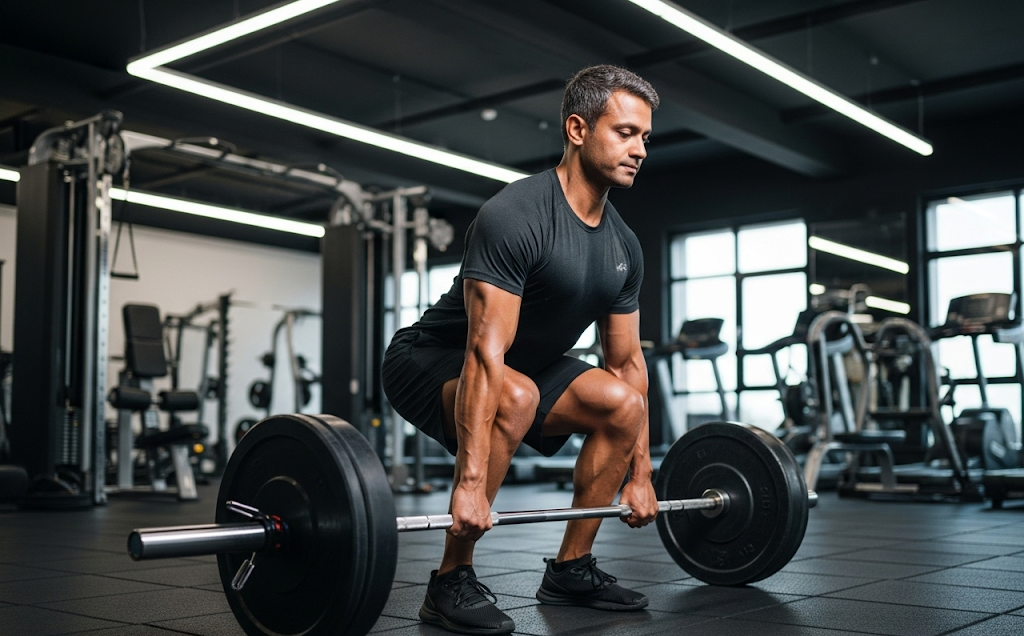
Deadlift Injury Prevention Strategies
Preventing injuries remains paramount when learning how to increase deadlift strength, as setbacks from poor movement patterns or overuse can derail months of progress. Smart training approaches prioritize long-term development over short-term ego satisfaction through conservative load progression methods.
- Implement Progressive Warm-up Protocols – Start with dynamic movements, hip circles, leg swings, and glute activation before loading the spine
- Master Movement Quality First – Perfect technique with lighter weights before progressing to challenging loads that test your limits
- Address Mobility Limitations Early – Improve ankle dorsiflexion, hip flexor length, and thoracic extension through daily mobility work
- Monitor Training Load Progression – Increase weight by no more than 2.5-5kg weekly to allow tissues time to adapt safely
- Strengthen Supporting Musculature – Build core stability, glute strength, and upper back endurance through targeted accessory exercises
- Practice Proper Breathing Mechanics – Learn diaphragmatic breathing and bracing patterns to protect spine under heavy loads
- Use Appropriate Recovery Methods – Include massage, stretching, and soft tissue work to maintain tissue quality between sessions
- Listen to Pain Signals Carefully – Distinguish between normal training discomfort and potential injury warning signs requiring attention
- Maintain Consistent Sleep Schedule – Prioritize 7-9 hours quality sleep nightly to support tissue repair and nervous system recovery
- Seek Professional Assessment – Work with qualified trainers or physiotherapists to identify and correct movement dysfunction patterns
Understanding calisthenics equipment for home can support your training environment.
Deadlift Mental Training and Confidence Building
Psychological factors play a significant role in how to increase deadlift strength, with confidence and mental preparation often determining success or failure with challenging weights. Developing mental toughness through visualization, positive self-talk, and systematic exposure to heavier loads builds the mindset necessary for breakthrough performances.
Competition simulation during training helps build confidence when attempting to increase deadlift strength under pressure. Practicing meet commands, timing, and attempt selection during training creates familiarity that translates to better performance when testing maximal strength in formal or informal settings. Fear management becomes crucial when working with weights that challenge your current strength limits. Learning to differentiate between appropriate caution and limiting fear allows you to push boundaries safely while maximizing your potential to increase deadlift strength through progressive overload training.
Explore arm workouts with dumbbells women’s for supplementary upper body training.
Deadlift Long-Term Progression Planning
Sustainable approaches to how to increase deadlift strength require realistic timeline expectations and strategic planning that accounts for training age, natural progression rates, and individual response patterns. Setting both short-term and long-term goals creates motivation while maintaining perspective on the patience required for significant strength development.
Career progression in how to increase deadlift strength follows predictable patterns, with rapid initial gains giving way to smaller but meaningful improvements over years of consistent training. Understanding these progression curves helps set appropriate expectations and programming decisions that support continued development rather than frustrating plateaus. Advanced lifters may need to accept slower progress rates while focusing on subtle improvements that maintain upward trajectory. Learning to find satisfaction in process improvements, technical refinements, and small strength gains becomes essential for long-term success in how to increase deadlift strength pursuits.
Learn about how to do plank exercise for core strength development.
Conclusion
Mastering how to increase deadlift strength requires a systematic approach combining technical proficiency, progressive overload, targeted accessory work, and optimal recovery practices. Success comes through consistency in training, patience with progress, and attention to the multiple factors that influence strength development. Whether you’re pursuing powerlifting competition goals or personal achievement, these proven methods for how to increase deadlift strength provide the foundation for exceptional pulling power and long-term training success.
Learn about does calisthenics increase height & Master how to do jumping jacks
Want to master the calisthenics handstand and take your skills to the next level? Whether you’re a beginner or pushing advanced skills, ISC – Indian School of Calisthenics offers expert guidance to help you master bodyweight training. Visit us at SRPF Ground, NH8, Goregaon (E), Mumbai – 400065. For class schedules, personalized coaching, or more details, call +91 77159 53218. Train smart, move better, and unlock your back strength with ISC.
How to Increase Deadlift Strength? – FAQs
How quickly can I increase deadlift strength as a beginner?
Beginners can typically increase deadlift strength by 5-10kg per week for the first 8-12 weeks with proper programming and technique.
What’s the best frequency to increase deadlift strength effectively?
Training deadlifts 2-3 times per week allows optimal strength gains while providing adequate recovery for how to increase deadlift strength progress.
Should I use mixed grip to increase deadlift strength faster?
Mixed grip can help overcome grip limitations, but develop double overhand strength first before relying on mixed grip for deadlift training.
How important is grip strength for deadlift performance?
Grip strength often becomes the limiting factor in deadlift performance, making targeted grip training essential for continued strength progress.
Can accessory exercises significantly help increase deadlift strength?
Yes, Romanian deadlifts, rack pulls, and rows directly support deadlift strength by addressing weak points and building supporting muscles.
How do I know if my programming is effective for strength gains?
Track weekly training loads and monthly strength tests to ensure consistent progress in your deadlift strength development program.
What’s the optimal rep range to increase deadlift strength?
Use 1-5 reps for strength, 6-8 reps for strength-size, and higher reps for technique refinement in deadlift training.
How long should rest periods be between deadlift strength sets?
Rest 3-5 minutes between heavy deadlift sets to allow full recovery and maintain strength output throughout training sessions.
Is it better to increase deadlift strength with sumo or conventional style?
Choose the style that feels most natural and allows better technique, as both can effectively build deadlift strength.
When should I deload to continue increasing deadlift strength?
Plan deload weeks every 4-6 weeks or when performance stagnates to allow recovery and supercompensation for continued strength gains.